Five hundred... 500... FIVE, ZERO, ZERO. As numbers go it has a certain attraction. It is neither so large to burden you with its weight, nor so small as to be insignificant. It's a good length for a novel, slightly too much to pay for a brake-job, and just about right for one of those new-fangled Notepad Computer thingies. Sounds like a large-ish number, I suppose... a number of substance.

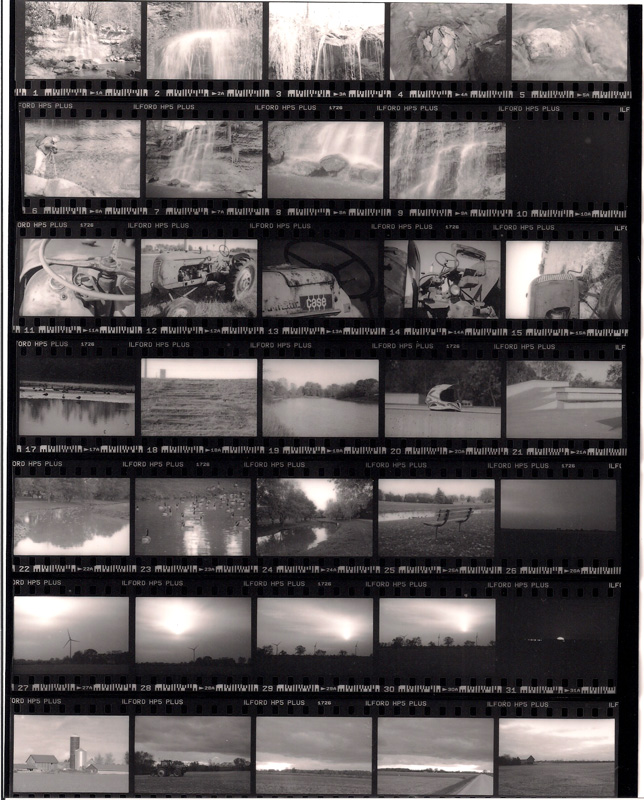
Today, for me, the number 500 signifies the number of consecutive days I have taken at least one picture using traditional analog film. The longest journey begins with a single step, so they say, so I suppose this journey must have had some sort of beginning. That beginning was accepting the “picture a day” challenge on January 1, 2010.

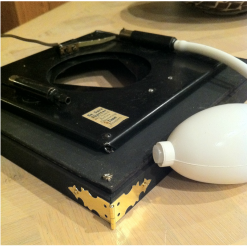
Through the dark winter months of 2010, I set challenge after challenge for myself, using a make-shift light box down in my darkroom studio on days when the weather was simply too dismal to work out of doors. It was with only a little surprise that I found my camera still in hand when winter gave way to spring, spring to summer. By the time autumn rolled around to winter again, and it became evident that I would in all likelihood succeed in my challenge, I was reluctant to lay my camera aside. Over the course of the year, I had honed my skills, challenged my eye, my imagination and my stamina. I and I succeeded. Three hundred sixty-five consecutive days of photography, were under my belt, (and many rolls and sheets of film awaited processing and printing, but that is another story) But 365, a full year or not, is a very unfinished number. Neither 300 nor 400, not even comfortably between... 365 was just not fully satisfying. Four hundred days was only 35 more days; surely I could stretch my effort one more month or so to balance the numbers. And so I did. By the first week of February this year I had reached 400, and I knew I could not stop. Calendar in hand, I plotted my way to 500, May 16, 2011.

This is fun. My optimism grows as I imagine the next 7 ½ months filling out a full two years of photography, and it seems only a trifle foolish to imagine extending the challenge beyond that date.

Five hundred is a nice round number.


Picture
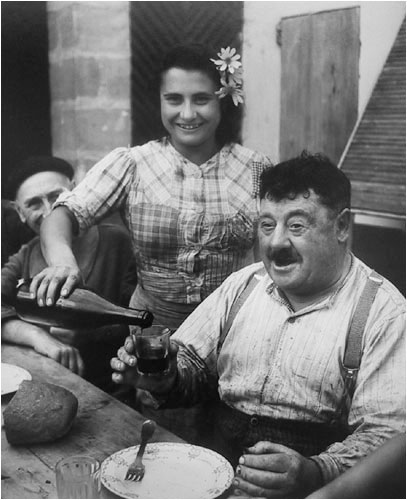
In September, 2009, I came across a news item announcing the passing of French photographer Willy Ronis at the age of 99. The name was (vaguely) familiar, but he certainly did not stand in my memory among the photographic icons of the 20th Century. The obituary compared Ronis to photographers such as Cartier-Bresson, Doisneau, and Brassai, names which instantly brought to mind a catalogue of images that are recognizable in the canon of modern French photography.

A quick Google search took me to the Hackle Bury Gallery, which opened up a wealth of images that literally took my breath away. I was surprised to find that some of the images that I saw were familiar to me, though I had not known that they were Ronis' work. It soon became obvious that Ronis definitely stood shoulder to shoulder with the giants of 20th Century French photography.

In the language of the modern genres, Ronis might be described as a “street photographer”, but without the brash voyeuristic tone that many such photographers tend to take. Ronis' lens never seems to intrude on a scene; instead, it is a welcome guest in the homes and at the tables of its subjects. What is immediately clear upon viewing a Willy Ronis photograph is his immense affection for his subjects. Ronis loved Paris, its streets, cafes and skyline, its hearty men, winsome women and adventurous children.

In the days following my introduction to the work of Willy Ronis, I busily searched out every Ronis image and reference I could find. My wife, my children, my friends and students all received a crash course in contemporary French photography.

Ronis, born in 1910, was the son of a portrait photographer recently emigrated from Odessa, and like American Ansel Adams, his initial training was as a musician. By default, he entered into the family business, and began a steady ascension among the photographers of pre-, mid-, and post-war France.

Ronis displayed an instinct for capturing what Cartier-Bresson famously called the “decisive moment”. His photographs capture not only the momentum and mood of a scene, they capture its very soul. You do not view a Ronis photograph, you live it. You breathe its air; you feel the sun on your face and the rain on your back. You share the hopes, fears and dreams of his subjects, you remember their memories, feel your heart burst at their joys and sorrows.

Of the lessons which have shaped my own photographic education, I count September of 2009 and my experience of the unique vision of Willy Ronis as one of my most profound influences.
 
 
Picture
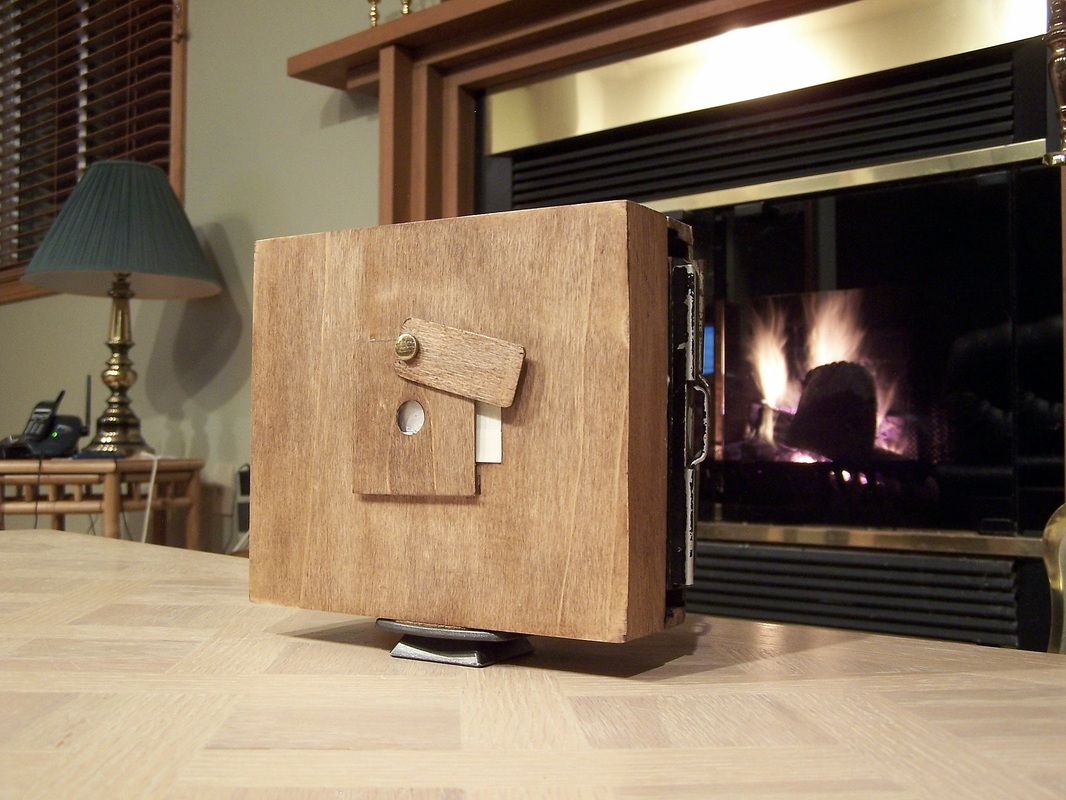
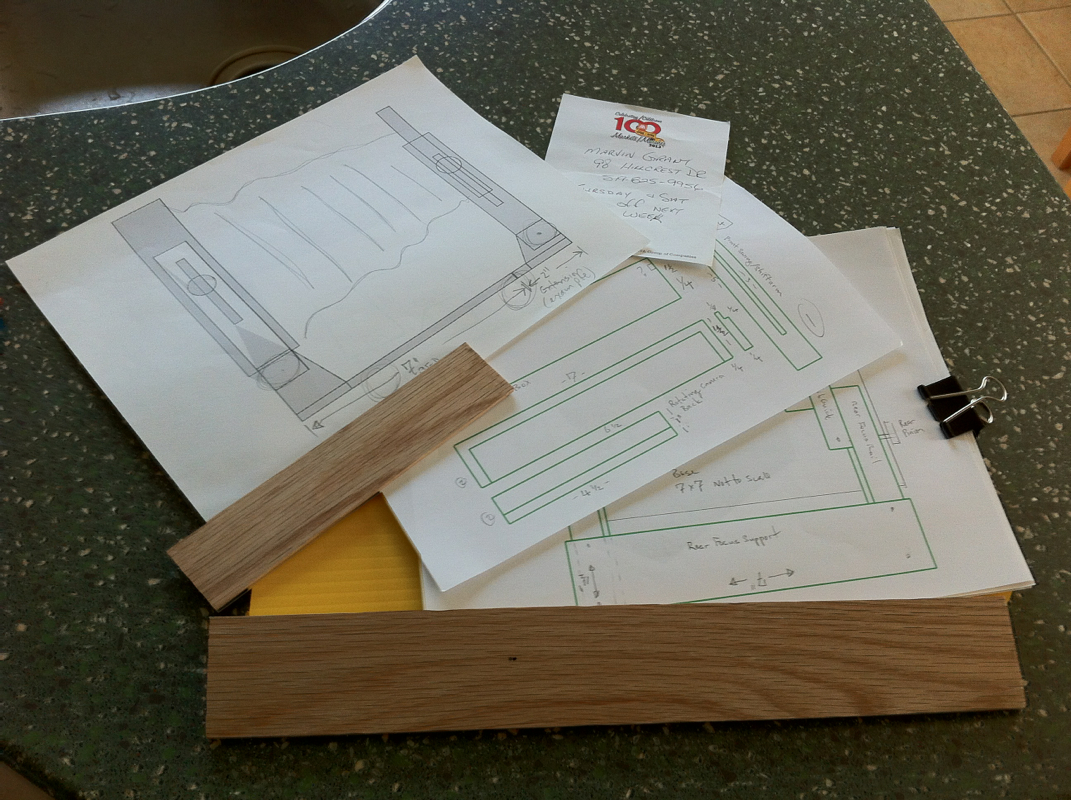
4x5 Pinhole camera.


This idea goes back several months, but in typical Tom fasion, its execution only came through in the last few days before it was needed.


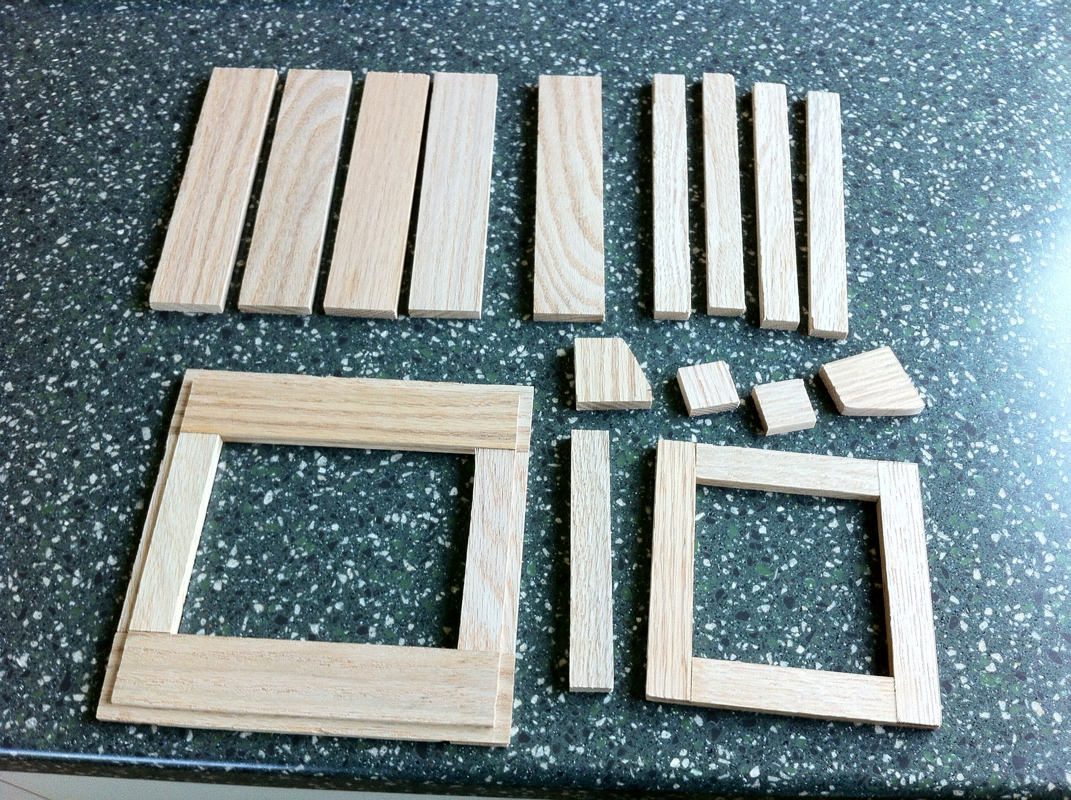
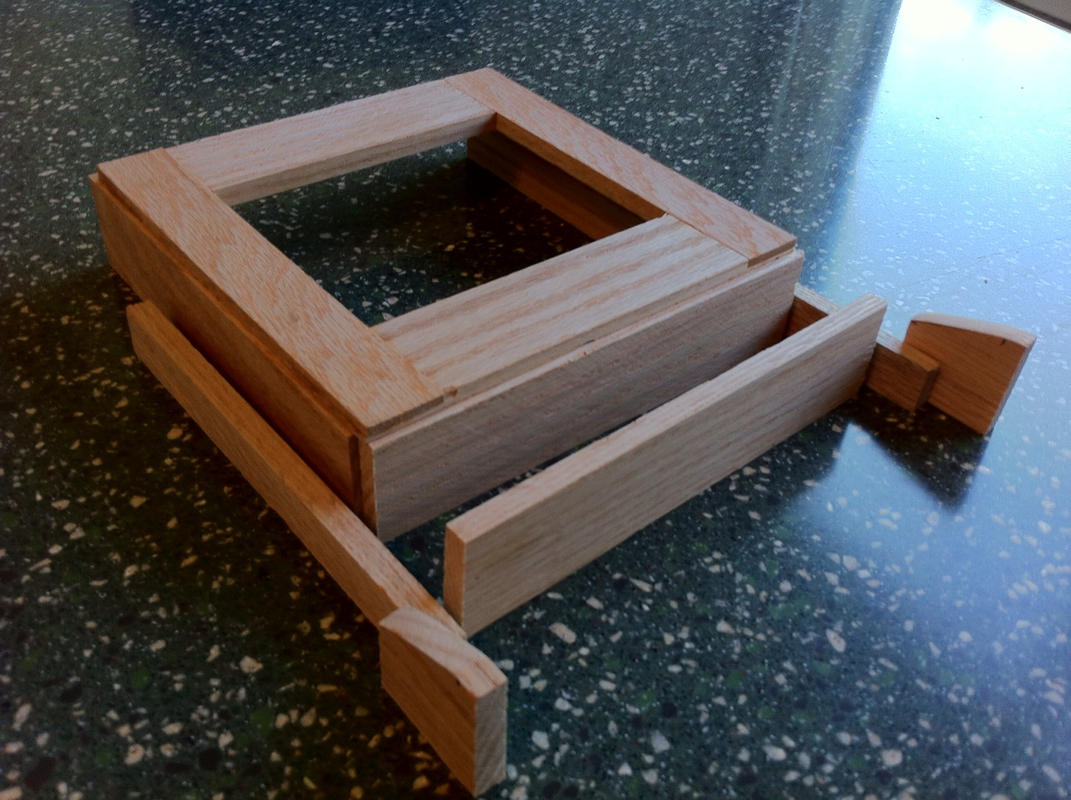
I love my large format cameras... LOVE them. I love the concept, I love the process, and I love the negatives I get to play with in the darkroom afterwards. Unfortunately, having only monstrous monorail cameras in my collection, I don't love the thought of lugging furniture-sized camera cases through airport security. "What I need," I thought, "...is a smaller, more manageable large format camera... like an Ebony... (not gonna happen) or a pinhole!" That was the idea... I needed a 4x5 pinhole camera that could fit in my backpack alongside my other daily camera gear without sacrificing comfort or functionality in my regular kit.

My starting point was that I have at least a couple of dozen 4x5 film holders that already do their job perfectly well. The next logical step would be to slap one of these on the back of something with a hole... say a cigar box or the like.

So I headed off to the dollar store to look for a  box... Sadly, nobody in the dollar-store box industry seemed to have taken my particular needs into account and everything in the box aisle was either too large or too small to accomodate a 4x5 film holder.

My project languished for a couple of months, while I looked for boxes, tried some measurements, and pursued other photographic endeavours. Eventually I bought a couple of boxes that were almost big enough for 5x7, but could be hacked to take 4x5 holders. Then, while I mulled over the competing design specs from different websites, I put things on hold again, and typically, hating to see good boxes go to waste, I filled them with junk. (well, photo gear, etc.)

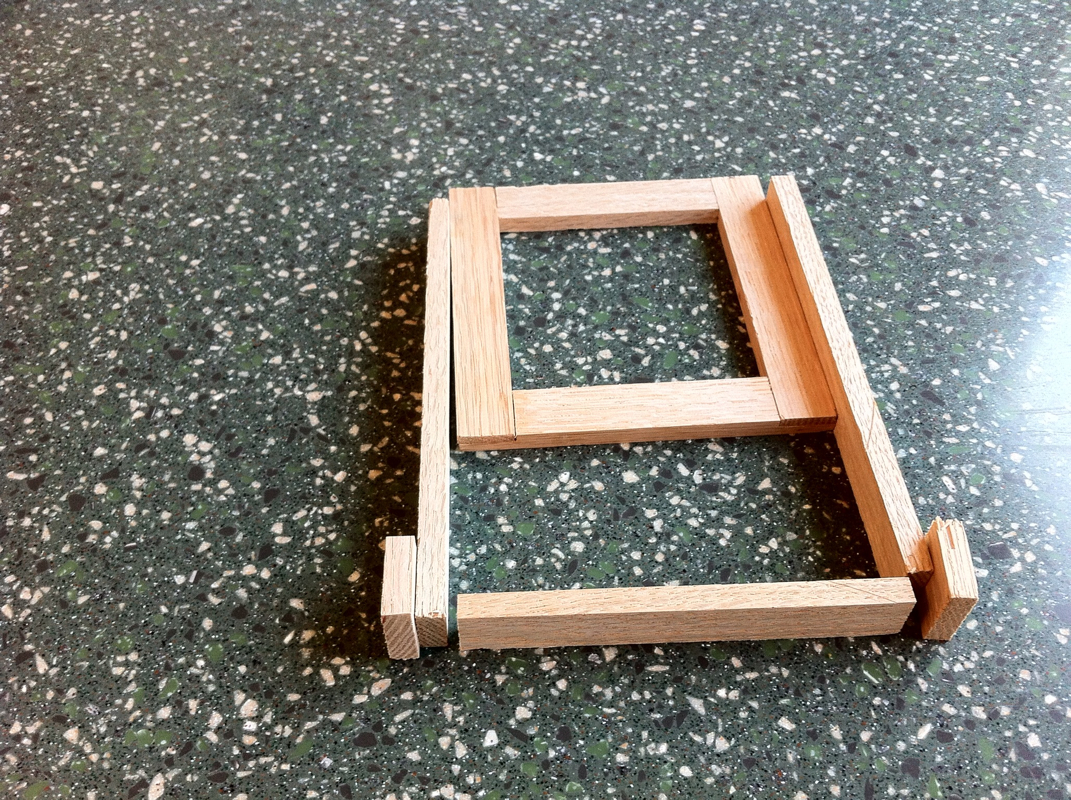
By the time I got around to measuring, cutting and gluing, it was a scant three days before I was to board a US Air jet to Phoenix for some much-needed rest and relaxation. This gave me precious little time to make important errors like placing guide rails on the wrong side of the film slot, (dumb) neglecting to place something deep in the receiving slot to prevent the film holder from opening when I remove the darkslide, (careless) and affixing the tripod sockets so that the film holders load from the left instead of the right where they really should be (THIS I attribute to the same issues that contributed to my 6 1/2 year high school career). Two of these errors were easily and quickly solved, while the other, (the left-handed camera design) remains in my notebook for further consideration. After all, I'm no dummy... I didn't buy two boxes for nothing.

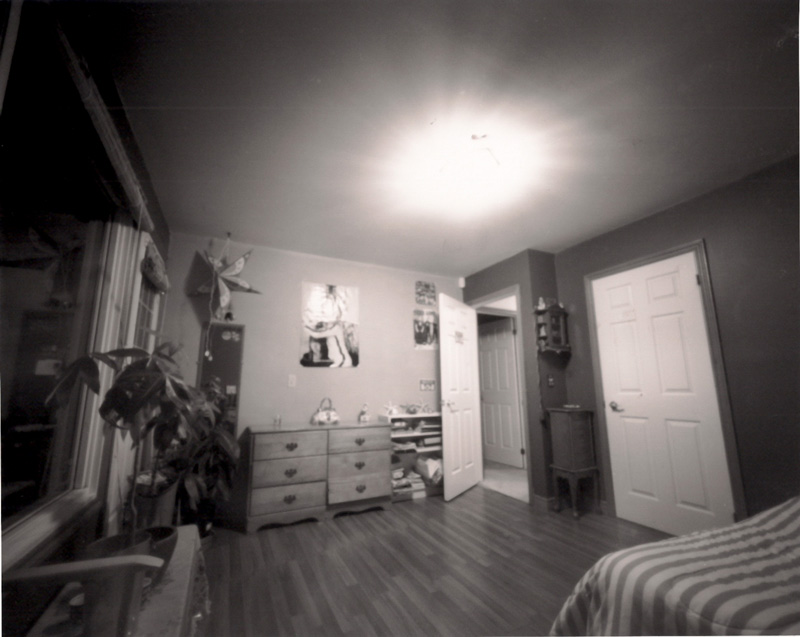
The construction of the camera, not including film holders, cost $2.68. (I'm not counting the cost for two brushes of varnish or a 6"x2" strip of felt from a craft drawer) Focal length is 40mm, and with a pinhole of .3mm, the aperture measures f-133. At 40mm focal length, the angle of view is extremetly wide, (approximately 127°) and I am not entirely sure how well it will cover 4x5. The basic Zero Image 4x5 starts at 25mm, as improbable as that sounds, so I think I should be ok. The camera employs a wooden flap-style shutter, and the pinhole is set in a slot so that if need be, I can swap it out for another pinhole or zone-plate at a moment's notice.

They say when all is said and done, more is usually said than done. I'm heading out to shoot some 4x5 in the 90° Arizona sun.

[EDIT]
After a disappointing first set of negatives, I determined that the wood on the front of my camera was simply too flimsy and literally bled light in the bright desert sun. The images are on the film, but depending on the brightness of the scene, there is considerable fogging of the negatives. A few minutes work with a sheet of black mat board seems to have taken care of that, and a bit of black packing foam beefed up the film-slot light trap. My first negatives with this arrangement seem to be working out fine.

[EDIT... AGAIN]
The saga continues... having made my camera nice and light-tight, I started getting some nice-looking negative... exposure and contrast appeared to be what I would expect of normal 4x5 negatives... but what are those shadows??? vague elongated shapes were insinuating themselves from the sides or the top of several frames... My lovely pinhole, at 127° has such a wide field of view that my fingers were finding their way into the pictures even though I tried to keep them very tight to the camera when I closed the shutter. So I liberated a spring, a couple of screws and some fishing line from a repair kit and now I can operate the shutter from well behind the angle of view.

Picture

Pinhole image,
HP5+ 42 min


"What kind of photographer are you?" This seems a perfectly reasonable question, and I'm sure you have been asked it on occasion. It is an attempt to define, if not label what we do as artists. It's not just photographers who go though this; I am reminded of an acquaintance who introduces herself as an "oil painter" and another who is "an artist, but I don't do dogs." That is not to mention the "trombonist" and the "sax players" I know, or the talented “actors” or “writers” I have met. Oddly enough, more than a couple of these talented artists I have known are also “waiters” or “barristas”. As I've observed in my own work, I tend towards being a “nature/landscape photographer” and a “mildly abstract pictorialist”.

I'm reminded of the World Inferno Friendship Society song, One for the Witches, in which a bunch of kids ask the perennial Halloween question, "What the hell are you supposed to be?" and are offered this in response,

''...supposed to be? I never gave it any thought, never gave a damn - about what I'm supposed to be but if you're asking what I am? - I'm a f-ing walking question mark- I'm a walking f-ing time bomb!" [the edits are mine - I have difficulty writing words which might be offensive, even though anyone who would be offended is highly unlikely to read this.]
...which seems to me to be an entirely appropriate response, given that any serious attempt to answer that question is pointless.

As for what kind of photographer I am not, I am not a portrait or a documentary photographer, I am not a street photographer. I think I would like to be these things, but I am not inclined to photograph people or things uninvited, and I get nervous and try to rush through any kind of portraiture. I know that successful street and documentarists brazenly snap away wherever they please, and portrait photographers seem to care less how long it takes to get the right shot. These are skills or qualities that I will have to work on if I am ever to seriously move into these areas of photography, but it occurs to me that many successful photographers have spent entire careers immersed in only a small niche of the industry and never felt the need to move beyond that niche.

A photographic label can be a good thing, it can help us focus on what it is we are tying to do and provide a basic vocabulary for explaing this to others. (and to ourselves) But a label can also be a limiting factor, a point of contention, a definition of who and what is in or out. I've been a member of enough internet forums (fora?) to know what happens when someone strays outside an accepted or arbitrary boundary.

For now, I will stick to the only label that really matters to me. I am a photographer.


Yesterday, February 5, marked 400 consecutive days of photography... I started the 365 day challenge on January 1, 2010, and when 2011 rolled around, I had no desire to stop. At first I had very little idea of what this challenge really meant, and was pretty much at a loss for what I was doing or how I should go about it. But I kept shooting. I set up a portable tabletop area in my darkroom studio and spent the least pleasant days of the winter exploring light and shadows with everything from sea shells to Converse hi-top runners.

As the days went on, I continued shooting at every opportunity, never missing a day. I started to develop themes in my shooting, which was very informative, as it helped define for myself what kind of photographer I am. In subjects, I tend towards landscape, nature, architecture (well, buildings... old, storied buildings) and abstracts. I think I strive for some level of abstraction in almost all my shooting.

So 365 days has become 400, 500 is in my sights come May 16. The challenge has become much easier, much more focused. I have a much better idea of who I am as  photographer now than I did 400 days ago. I carry my cameras wherever I go. I am rewarded by the challenge of searching out new photo subjects, by the mechanics of composing and shooting each frame. I am rewarded by each day in the darkroom, each finished print hanging to dry.

I am looking forward to day 500, but even more, I am looking forward to tomorrow.
 
 
It's winter, and here in Canada, that means snow. And to me, that means the wonderful photo opportunities that snow brings to the land. Snow transforms the familiar landscape, creating minimalist abstractions of texture and shape that are usually hidden by soil and foliage at other times of the year. In winter my fascination is with trees, lonely, solitary trees. I photograph too many of them, too often, but always I am drawn to their stoic stand against the elements. I photograph them with every tool at my disposal, 35mm to 8x10, but almost always in black and white. Though I probably have photographed hundreds of trees, I am still fascinated by the stark shapes they present against the winter skies.
 
New beginnings 01/29/2011
 
Back, way back... on January 1, 2010, I began the 365 day photo challenge. It was definitely a challenge, though not the one I expected it to be. It was not difficult to pick up my camera every day or to find things to shoot. In fact, as the year passed, I found new ways to revisit old subjects and to get more out of each day's shooting. The real challenge was keeping up with film processing and printing. So, though my digital friends had images to post on a daily basis, I could only look at the mounting pile of unprocessed film in my darkroom. By the time December 31 rolled around, I had over 130 rolls of various format films to process. This was despite the fact that I tried to do at least a little processing every week as I went along. Despite the backlog, I knuckled down and whittled away nearly a third of that number in a week. Now, closing in on 400 consecutive days of photography, I have no desire to slow down. Just to cover myself, I did amend my mandate somewhat so that my challenge is to shoot, process, print or otherwise engage myself in something photographic every day, but so far I am still shooting. It gives me something to look forward to every day and something to do in the evenings when the tv is running in the other room.

Wish me luck!
Tom